Fancy making some cash from your old electricals, but not sure where to start? Start right here.
Do you have old electricals cluttering up your cupboards and drawers? Our research reveals that millions of us do. And what’s more, we could be making decent money by digging them out, doing a little prep, and selling them.
We’re talking at least £1,000 for the average household. That’s not to be sniffed at.
But many of us are unsure about how to go about preparing and selling tech online. Or we’re nervous about what happens to our personal data when we let our gadgets go.
So we asked some of the top online marketplaces – you might know them as peer-to-peer platforms – for their insights into selling like a pro.
Here are our nine top tips for turning your unwanted electricals into extra cash, safe and sound.
Secret hoard
We all have a stash of old electricals quietly gathering dust at home – be it an ancient phone tucked away in a drawer or a long-forgotten blender.
In fact, we estimate that the average UK household may be holding on to as many as 31 gadgets that they no longer use. That adds up to a staggering 880 million unused electrical items across UK homes.
This might look like a problem. But it’s also a fantastic opportunity to make some additional money while freeing up shelf space – and helping fight e-waste into the bargain. We make that a win-win-win.
Our research shows that, from forgotten smartwatches to laptops, your stash of unwanted gadgets could fetch between £1,304 and £6,331 on re-selling platforms like Gumtree, Mozillion, Spring, Music Magpie, Reboxed and eBay.
Indeed, many of us are already open to buying and selling used electricals. Yet one in five of us are still holding on to our unused electricals because we have concerns about data security. And, if you haven’t done it before, selling online might seem a bit daunting.
So here are nine strategies for selling electricals online – and uncovering the hidden value in your unused gadgets.
Nine top tips for selling electricals online:
- Shop around for the best place to sell: Consider the range of online marketplaces like Gumtree, Mozillion, Spring, Music Magpie and eBay to expand your reach and get the best deal for your items. See our guide to online marketplaces and re-sellers.
- Sell soon to get the best price: Electronics lose value over time, especially after the launch of new models. You tend to get better prices for more recent models. So once you’ve stopped using a device, don’t hang on to it for long.
- Look after your device: Keep your devices in good condition and you’ll tend to get a higher price. Make sure they’re well maintained, avoid drops and bumps, and use cases to prevent damage.
- Clear descriptions and good images: When it comes to listing an item, write a descriptive advert title and provide as much detailed information as possible. Include brand, colour, size, model number, and any damage. High-quality images increase buyers’ confidence.
- Price fairly: Research similar listings, including in your local area, to understand the market rate for your item. Fair pricing boosts the likelihood of a quick sale.
- Be responsive and open to negotiation: Respond promptly and honestly to buyer inquiries. Negotiation is part of the second-hand shopping experience so be open to reasonable offers.
- Lean in to Sunday scrolling: Post your listings over the weekend when platform activity peaks. Sundays are when online marketplaces see the most engagement – hence ‘Sunday scrolling’.
- Include accessories and manuals: When selling electrical items, include all leads, cables and instruction books, if possible. In your description be transparent about missing parts.
- Delete your data: Old laptops, mobile phones and other smart devices contain mountains of valuable data. So, before finally parting with your tech make sure it’s fully unlocked from accounts like iCloud or Google, and completely remove your data by performing a factory reset. See our detailed guide to deleting your data, including expert tips from We Fight Fraud’s Tony Sales.
Safety checklist – when listing electrical products for sale:
- Provide comprehensive instructions and make sure all necessary parts are included: Your listing should include clear and detailed instructions and all the components required to help buyers use the product safely and effectively.
- Display the CE Mark prominently in photos: This tells potential buyers that your items comply with European safety standards, giving them confidence that your electricals are safe and of good quality.
- Be clear about the safety features and assurances of your product: When potential buyers ask about your product’s safety, be open with information. Tell them about the safety standards it meets, and provide relevant details about safety features.
- Verify the product’s recall status using official channels: Take the initiative to check whether your electrical product is subject to any recalls by using the official Product Checker. Being proactive demonstrates your commitment to selling safe products and tells buyers you’re taking all necessary precautions.
What if you don’t want to sell your electrical items?
There are other great options. Donating old electricals to someone who needs them will make sure these valuable goods stay in circulation. The Recycle Your Electricals donate page lists organisations that welcome donations of unwanted electricals.
Finally, remember that anything with a plug, battery or cable can be recycled. So if your old electricals are not in a condition to be sold or donated use our Recycling Locator to find your nearest electricals drop-off point.
With thanks to Spring, Mozillion, Gumtree, and Music Magpie for their insights into selling electricals online – and their support for our Cash in Electricals campaign.
7th July 2023
“FadTech” – the trendy kitchen appliances that take the nation by storm, like blenders, air fryers, slow cookers, milk frothers and more. But what do we do with these kitchen gadgets when we no longer need them? TV presenter and host of The Gadget Show Ortis Deley delves into why we are obsessed with these kitchen gadgets, where these trends come from, and how to recycle kitchen appliances when they are past their sell-by date.
Written by: Ortis Deley
We’ve all got used to the idea that some electricals need to go to a good home when we’re done with them: old smartphones, for example. When we upgrade, we wipe our old phone and pass it on to family or friends, make some cash by selling it on or, if it’s no longer in good working order, recycle it.
Rarely has this conversation involved other tech items though, especially kitchen tech. Enter: FadTech.
FadTech are those trendy electrical items bought during a wave of interest. Think: popcorn machines, blenders and chocolate fountains.
However, according to Recycle Your Electricals research, an estimated 18.2million now lie gathering dust in kitchen cupboards across the country. We’ve all done it – buying something we thought we’d use all the time and then realising we’ve not used it as we’d hoped. Or, used it SO much it’s now ready to be upgraded and retired!
FadTech purchases follow trends. The Top 20 includes popular faves such as the breadmaker, ice-cream maker and juicer; surprise items like the cake pop maker and electric coffee cup; and items more at home in the 70s or 80s, including the hostess trolley, teasmade and electric plate warmer. I bet if you have a look around your kitchen, you’ve got some FadTech!
So FadTech is a real thing, but why does it exist? Well, we all love to belong to a trend. We’re all attracted by saving time or money, getting healthier or impressing everyone with our culinary creations, too! And of course, this can get supercharged with expert or celebrity endorsements.
It’s not just a connection to a movement. Tech trends can skyrocket due to economic changes. The air fryer is the latest to join the FadTech pantheon. Rocketing sales have been driven by escalating energy prices. You can whip up fish fingers for tea or a whole Sunday roast more quickly and for a smaller electricity bill.
In fact, towards the end of 2022, such was the demand for this new trend, they became very difficult to get hold of. Manufacturers couldn’t get them into the country quickly enough! If a gadget is going to positively impact your cost of living, why wouldn’t you buy it?! Recycle Your Electricals research has found that 40% of UK households now own one. Right now, it looks like the air fryer is fast-becoming a mainstream item, like a kettle or toaster.
Another huge factor determining FadTech trends is what’s happening in the wider world. During the first lockdown, Brits became obsessed with baking – with banana bread leading the charge. Sales of breadmakers went through the roof. Bread had become a staple that was difficult to get hold of, so many of us wanted to bake our own flavoursome yet healthy loaves.
Novelty value is a big-driver for FadTech too. Items like the candy floss maker and popcorn machine just scream “I always wanted one when I was a kid!”. Watching candyfloss being spun onto a stick or watching those big popcorn machines at the cinema was quite the spectacle when I was a child. Their peak sales more recently most likely coincided with a rising trend in having them at children’s parties (popcorn was a hugely popular goodie bag filler). These novelty item trends often seem to burn bright and then burn out.
Demand for cake pop makers reached critical mass around three years after their invention in 2008. The level of creativity and artistry made the cake pop the perfect subject for photos, and this was a perfect storm with 2012’s surge in Instagram users.
Some FadTech items are less about novelty and more about nostalgia. I was surprised the teasmade enjoyed a resurgence in 2020, but with so many working from home, I can see the short-lived appeal. A similar thing seems to have happened with the electric plate warmer – supper clubs began increasing in popularity during the mid noughties and Google searches peaked in 2006.
I’m a gadget fan, so of course I’ve had my fair share of FadTech and FadTech Fails. I bought a spiralizer because I wanted to eat healthily. Courgette spaghetti was everywhere in 2016, in restaurants, on people’s socials and the telly! I used my spiralizer for a good 3-4 months before returning to pasta. It wasn’t hard to use, but cleaning the components became a chore. And don’t get me started on my juicer…
Fads or ‘for keeps’?
Some kitchen electricals have managed to eschew the rigours of time and ebb & flow of tech trends. These are the trusty kettle, microwave, and toaster. They’ve managed to go from novelty to everyday. There is a daily need for tea and coffee – indeed, tea is the very cornerstone of Britishness; we are a nation of leftover lovers and warmer-uppers too, so the microwave is ideal for catering to those quirks, and well, who doesn’t love a round of toast?
But why have we fallen out of love with some kitchen electricals? Despite their current popularity, there are nearly half a million air fryers in UK homes doing nothing but taking up cupboard space and enough breadmakers gathering dust to reach from here to Paris…and back again!
We often hold on to things because we feel a just-in-case connection to them, even though the likelihood is they’ll never be used regularly again. They’re not cheap, either, so it can feel wasteful to get rid of them. But my advice is don’t feel guilty.
Someone else might really benefit from some FadTech in good condition or, if they’re ready to be recycled, fantastic new items like life-saving defibrillators can be created from them. Have a good clear out and think about the second life you could give to these items by donating or recycling them – and the space you could reclaim in your kitchen!
So Fish out Your Fad Tech and remember:
- Whatever you do, DO NOT BIN THEM!
- Donate (or sell) them if they’re in good condition or otherwise, recycle them
- Anything with a plug, battery or cable can be recycled
- And where you can recycle kitchen appliances near you? Type your postcode into our locator and you’re probably less than 15 mins away from giving your FadTech a fab new lease of life!
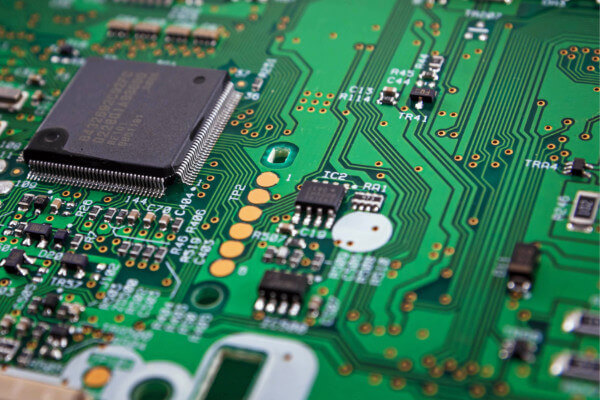
The Royal Mint has announced that it will recover gold from electrical waste to use in its coins. They will be joining other companies, like N2S, GAP Group, Mint Innovation and Descycle, in investing in enhanced processing facilities that will recover critical raw materials from the circuit boards of old electricals. Over £148 million of critical and precious metals reach recyclers each year, with most of the gold, silver and platinum being recovered overseas. But many critical raw materials are lost during processing. More investment in new advanced technologies will help recover more of the lost critical raw materials.
The new Royal Mint facility in South Wales, set to open in 2023, will start salvaging the precious metal from the circuit boards of laptops and smartphones. They aim to process up to 90 tonnes of UK sourced circuit boards per week. Retrieving hundreds of kilograms of gold per year.
Over 300,000 tonnes of electricals are currently being binned by households and businesses each year. Recycling more e-waste and investing in new UK processing technologies would capture more critical and precious metals for the UK economy.
Similarly, GAP group and Descycle have announced plans to build a joint `multi-million pound’ waste electrical and electronic equipment (WEEE) recycling facility in the North East of England. The GAP and Descycle facility will have the capacity to recycle 5,000 tonnes of printed circuit boards and other ‘high value’ WEEE per year.
N2S, in partnership with Coventry University, has been using a ‘bioleaching’ process that uses microbiological techniques and living organisms to extract rare metals from e-waste. And Mint Innovation announced in 2020 plans to build a commercial refinery in Cheshire for extracting precious metals from electronic waste, claiming this would be the first to use bacteria rather than cyanide-based processes.
To find your nearest recycling point and to start recycling your electricals check out our recycling locator.